Oorlog tussen Rusland en Oekraïne (2022-...)

Ik heb niet heel het artikel kunnen lezen want achter paywall.
Maar het klinkt mij eerder als weer een beetje psychologische oorlogsvoering van Oekraïne dan waarheid.
"mensen noch wapens". Er komen verdorie een hele hoop tanks en getrainde soldaten op dit moment aan!
Die gaan heus wel wat kunnen doen. Zal het voldoende zijn? Dat is koffiedik kijken, maar ik hoop in ieder geval van wel.

Ik geloof niet teveel niet meer van de meeste nieuwssites totdat het duidelijk bewezen of niet meer te weerleggen is.
Wat er onder andere instaat is dat er weliswaar al veel materiaal (tanks en dergelijke) beloofd is maar dat er maar weinig effectief gepland staat om op korte termijn geleverd te worden. Laat staan ingezet te worden.

Wat manschappen betreft. Er zijn nog maar weinig goed getrainde militairen over. Vele commandanten zijn het merendeel van hun ervaren soldaten kwijt, die vervangen worden door nieuwe rekruten. Er worden opleidingen gegeven maar die zijn allemaal maar zeer miniem. Er is welgeteld 1 nieuw goed getraind bataljon. Dat is 500 man.

En dan wordt inderdaad ook nog Bachmoet aangehaald. De VS vreest blijkbaar dat het langer verdedigen van die stad de kans op een Oekraïens lente offensief zwaar ondermijnt.

Goed we zullen zien. Je kan er op hopen dat dit propaganda is om de Russen zand in de ogen te strooien. Persoonlijk denk ik echter dat beide partijen zich aan het vastrijden zijn.
 

Dit schetst toch niet zo een heel erg hoopvol beeld. Het blijft natuurlijk moeilijk om te zien welke info correct is en welke niet. En dit artikel lijkt meer een opiniestuk dan echt een weergave van feiten. Maar toch, wellicht zijn een aantal van de bedenkingen niet uit de lucht gegrepen.
Ben altijd al een beetje sceptisch geweest over dat Oekraïense wonderleger. Ook de Westerse zijde is niet vrij van propaganda.

Hoe gaat dat aflopen? Geen flauw idee, maar het is veel realistischer dat na een totale uitputting van beide zijden, De Krim en oosten van Oekraïne naar Rusland gaan of een of ander speciale status krijgen, Putin’s gezichtsverlies afgewend is en met groot ornaat voor het Kremlin paradeert.

En het Westen? Een zucht van opluchting.
En Oekraïne? Zoals alle speelballen van grootmachten uit het verleden, getekend voor de volgende 2 generaties.

Het idee van een Rusland dat helemaal uit elkaar valt en Putin die in een oranje overall in Den Haag achter glas zit? Moet het eerst nog zien, tot dan kunnen we verder dromen.
 
Wat er onder andere instaat is dat er weliswaar al veel materiaal (tanks en dergelijke) beloofd is maar dat er maar weinig effectief gepland staat om op korte termijn geleverd te worden. Laat staan ingezet te worden.

Wat manschappen betreft. Er zijn nog maar weinig goed getrainde militairen over. Vele commandanten zijn het merendeel van hun ervaren soldaten kwijt, die vervangen worden door nieuwe rekruten. Er worden opleidingen gegeven maar die zijn allemaal maar zeer miniem. Er is welgeteld 1 nieuw goed getraind bataljon. Dat is 500 man.

En dan wordt inderdaad ook nog Bachmoet aangehaald. De VS vreest blijkbaar dat het langer verdedigen van die stad de kans op een Oekraïens lente offensief zwaar ondermijnt.

Goed we zullen zien. Je kan er op hopen dat dit propaganda is om de Russen zand in de ogen te strooien. Persoonlijk denk ik echter dat beide partijen zich aan het vastrijden zijn.

dit kan al niet kloppen


In June 2022, British forces began to train Ukrainian soldiers in the UK, with the stated aim of training 10,000 people every 120 days.


BELFAST — The European Union (EU) has announced member states will train an additional 15,000 Ukrainian armed forces personnel, bringing the bloc’s overall commitment to 30,000, as it looks ahead to signing off on a tenth Russian sanctions package within weeks.
 
In June 2022, British forces began to train Ukrainian soldiers in the UK, with the stated aim of training 10,000 people every 120 days.

BELFAST — The European Union (EU) has announced member states will train an additional 15,000 Ukrainian armed forces personnel, bringing the bloc’s overall commitment to 30,000, as it looks ahead to signing off on a tenth Russian sanctions package within weeks.
Uit het artikel dat in De Morgen staat:
En er worden dan wel 30.000 Oekraïners in het buitenland opgeleid, “maar je ziet toch dat het vaak gaat om basisopleidingen voor nieuwe rekruten”. “In geavanceerde moderne oorlogsvoering is nog maar één bataljon opgeleid. Dan spreek je over amper 500 soldaten. Dat had al veel eerder gebeurd moeten zijn, en vandaag zouden we de troepen van het najaar aan het opleiden moeten zijn.”
 
Kopietje van dit Washington Post artikel dus: https://www.washingtonpost.com/world/2023/03/13/ukraine-casualties-pessimism-ammunition-shortage/
Geen idee hoe goed dat vertaald is.

Verschillende mogelijkheden hier:
- het artikel is een correcte beschrijving van de situatie. Wat me wel opvalt is dat het WP artikel eigenlijk met 2 personen op het slagveld heeft gesproken en hun ervaringen sinds de inval extrapoleert naar de volledige frontlinie, de volledige 600 mijl, naar dit moment. Zoiets vind ik altijd verdacht. Men had ongetwijfeld ook 2 andere personen kunnen vinden die een heel ander verhaal vertellen, waarom dit verhaal dan? Omdat het de waarheid schetst, of omdat het een bepaald narratief bevestigt?
- artikel is met een bepaald doel geschreven. Is dit om Rusland te misleiden, is dit om meer steun te krijgen voor meer wapens en munitie?
Ondertussen zeggen weeral wat US senatoren dat Oekraïne toch F-16's moet krijgen ter ondersteuning van het offensief. Toevallig?
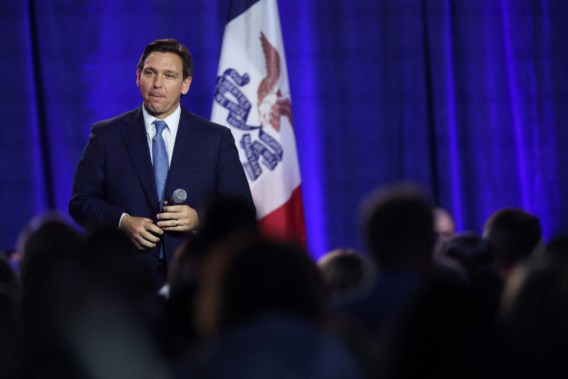
(buiten dan DeSantis, die dit maar een territoriale schermutseling noemt :rolleyes:)

Ik weet het niet, en het enige wat ik met zekerheid kan zeggen is dat eigenlijk niemand het weet. Waarschijnlijk de schrijver(s) ook niet.


Ik wil maar zeggen dat zo'n artikel meer vragen oproept dan antwoorden geeft. Bvb deze paragraaf:
Initially, the United States focused its training on new weapons systems Washington had decided to provide Kyiv, such as M777 artillery pieces and HIMARS rocket launchers. In January, after nearly a year of all-out war, the United States began training Ukrainian forces in combined-arms warfare. Just one battalion, of about 650 people, has completed the training in Germany so far.
Op andere plaatsen lees ik dat de US al in december reeds 3.100 soldaten had getraind op HiMARS en andere wapensystemen.
Sinds januari "slechts" 650 soldaten getraind in combined-arms warfare. Tja, dat is ook een training die minimum 5 weken duurt. Misschien was dat de eerste batch die iets vroeger gestart is voor een hele hoop andere en komen deze week duizenden getrainde soldaten beschikbaar. Of waren die 650 soldaten het pilot project en zijn daarna meer soldaten gestart met de training en komen die over een maand of zo beschikbaar. Wanneer de grond ook opdroogt, want dat is wel essentieel voor een offensief. Wie weet, misschien heeft men de training daar ook op afgestemd?

Nogmaals, ik weet het niet, maar zulke artikels zeggen eigenlijk niets over het grote geheel.
 
Als we Britse artikel mogen geloven dan zouden er al minstens 30.000 moeten getraind. Ik ga er vanuit dat 10.000 starten en 120 dagen later weer 10.000 starten om het gemakkelijker te maken.

Dan spreken we inderdaad over basisopleiding maar meerder van die troepen moeten dan al actie gezien hebben dus ik zou zeggen 20.000 van hen gaan al ingezet zijn dus meer ervaring hebben.
Experten worden in combined-arms warfare is specialisatie maar op zich moeten enkel de unitleaders de ervaring hebben en niet nieuwe recruten.

Ook lees je dat Oekraïne hun beste troepen naar Bakhmut stuurt om te verdedigen.
Heel weinig legers sturen hun beste troepen om te verdedigen. Dus ik neem dit ook met een serieus korrel zout.

Dan heb je nog de tankeenheden die met hun opleiding bezig zijn en/of net afgerond hebben.


Ik volg @Chris_147 dat we in de smokescreen periode zitten van een geplande offensief.
 
Ge moogt er vanuit gaan dat de doorgewinterde BG'er hier, die zich overal correct probeert te informeren over Oekraïne, beter op de hoogte is van de oorlog dan de gemiddelde (Vlaamse) journalist die er stukjes over schrijft of alweer klakkeloos overtikt wat een Housen zegt... Of althans toch beseft dat de waarheid zich veel minder makkelijk laat opschrijven in een stukje van 60 zr met een ronkende titel boven. Ik denk wel dat de uitkomst van de oorlog zich nog nooit zo moeilijk heeft laten voorspellen (mede ook omdat niemand immuun is voor de onbewuste misinformatie die nu langs alle kanten wordt verspreid). De journalist zal door het bos vaak de bomen niet meer zien, maar hij zal en moet een verhaal schrijven met een duidelijk narratief, met alle gevolgen van dien
 

BELFAST — The European Union (EU) has announced member states will train an additional 15,000 Ukrainian armed forces personnel, bringing the bloc’s overall commitment to 30,000, as it looks ahead to signing off on a tenth Russian sanctions package within weeks.
Too little (hopelijk niet too late) en vooral de negen voorgaande sanctiepakketten die niet doortastend genoeg bleken te zijn, want er is al een tiende pakket nodig.

Het is OK dat het Westen/NAVO niet als eerste of te fel reageert op uitvallen van Rusland om het conflict niet te laten escaleren, maar wanneer de EU alleen aan zet is dan lijkt dat steeds zooooo traag te gaan en zoooo voorzichtig te zijn om geen enkel EU-lidstaat op de tenen te trappen.
 
Misschien een korte samenvatting voor de andere leden wanneer YT-clips van >1 uur gepost worden?
Welke credenties heeft die man overigens behalve Telegraaf journalist te zijn? Is dat zoveel specialer dan journalist bij Het Nieuwsblad of Gazet van Antwerpen?
 
Misschien een korte samenvatting voor de andere leden wanneer YT-clips van >1 uur gepost worden?
Welke credenties heeft die man overigens behalve Telegraaf journalist te zijn? Is dat zoveel specialer dan journalist bij Het Nieuwsblad of Gazet van Antwerpen?

00:00:00 - 01:00:00

Journalist and author Wierd Duk discusses the fragmented Dutch community under the current government and the ongoing war in Ukraine, suggesting that de-escalation and attempts to make Ukraine a neutral state with good relations with both Russia and the West are necessary. The potential for nuclear war between the West and Russia is discussed, and the consequences of heavy weapons and the trauma caused by the conflict in Ukraine are highlighted. The author also explores the frustration and detachment felt by a segment of Dutch society and the need to address this polarization, as well as the lack of representation of certain political views in the media.

00:00:00 In this section, journalist and author Wierd Duk mentions the lack of shared sense of community in the Netherlands and notes that it has become increasingly fragmented under the current government. He also discusses the ongoing war in Ukraine and the possibility of it escalating even further, with Russia potentially emerging victorious. Despite investment and support from the West, including the provision of weapons, the conflict seems to be at a stalemate with a "Frozen conflict" situation developing. Duk suggests that the psychological impact of the war and the fear of losing must not be underestimated.​
  • 00:05:00 In this section, the speaker discusses the potential for Russia's success in Ukraine and the danger it poses for the West. There are calls for escalation in response, particularly from left-wing parties who see it as a moral fight against Russia. However, the speaker believes that escalation to a full-scale war with Russia is not desirable and that de-escalation is necessary. The fear is that if Russia succeeds, particularly in the winter when their mobility is enhanced, it could embolden them to continue their expansion into other neighboring countries. The lack of a clear definition of victory in this conflict means that it cannot be easily resolved through negotiations. The speaker suggests attempting to make Ukraine a neutral state that has good relations with both Russia and the West.
  • 00:10:00 In this section, the discussion focuses on the potential of a military conflict between Russia and NATO. While many people in the Baltic States and Central European countries are fearful of Russian aggression, it is suggested that a realistic approach needs to be taken in relation to Russia by both negotiating with them and showing military strength. However, some NATO supporters argue that Putin needs to be eliminated as he is weakening Russia and making them more reliant on the West for energy. Despite this, the majority of the Dutch public is against supplying combat planes to Ukraine due to concerns over escalation and the potential use of nuclear weapons. In the end, a compromise may involve providing less aggressive military supplies and improving training for Ukrainian pilots.
  • 00:15:00 In this section, the discussion centers around the possibility of nuclear war and the pressure to negotiate to avoid it. The host and guest note that China has recently pushed for negotiations and may already be in talks without the knowledge of the Western world. However, the lack of trust in China as a partner in this conflict has impeded progress. Further, the shift in power dynamics, from a unipolar world to a multi-polar one, with Russia, China, and the US all vying for power, may be at the root of this conflict. Finally, the discussion touches on the recent bombing of the Nord Stream 1 and 2 pipelines, and while the host and guest consider the possibility of Russia being behind it and planting a false flag, evidence points to both Western powers and Russia having a motive to carry out such an attack.
  • 00:20:00 In this section, the speaker discusses the involvement of former Swedish Prime Minister Carl Bildt in the creation of association agreements that were meant to bind former Soviet republics to the European Union, leading to conflict with Russia. Bildt was a key figure in the security rupture that occurred, and he has been a strong advocate for hawkish policies towards Russia. The speaker also questions the narrative being presented by some media outlets regarding the downing of Flight MH17, pointing out that the complexity of the operation suggests that state actors must have been involved, and that any purported "pro-Oekraïense groep" would require extensive resources and expertise to carry out such an attack. The speaker suggests that there may be a reluctance among media outlets to subject this narrative to sufficient critical analysis, as this could have far-reaching consequences for Western relations with Russia.
  • 00:25:00 In this section, the speaker discusses the possibility of Polish involvement with the United States in the recent bombing of a German pipeline. The importance of Poland as an American outpost in their conflict with Russia is mentioned, as well as the double-edged nature of Poland's status as a loyal ally in the eyes of the West. The potential consequences of economic hardship caused by the bombing on the German electorate and their political outlook towards this crisis are also discussed. The possibility of an autonomous international commission to investigate the incident is proposed, as national intelligence agencies are not capable of inter-agency cooperation when investigating such incidents. Finally, the speaker touches on the fear that Brussels and Germany may be pursuing alternative sources of energy, which could prove harmful to the political outlook of Eastern European nations in the wake of the bombing.
  • 00:30:00 In this section, the conversation focuses on the war between Ukraine and Russia, and how it is affecting the energy crisis in Europe and the rest of the world. The speaker expresses uncertainty about the future and worries about the next winter season, particularly if the conflict is not resolved soon. The conflict is seen as irrational and without any clear solution, and the propaganda on both sides is similar to that of Hitler's Germany. There are concerns about the possibility of nuclear escalation and the speaker mentions a Vlaamse hoogleraar who shares these concerns.
  • 00:35:00 In this section, the speaker discusses the potential consequences of a nuclear war between the West and Russia, stating that the Russian elite's desire to preserve their wealth and status would make it unlikely for anyone to launch an attack on the West. The speaker also opposes the use of heavy weapons and believes that neither side can win the conflict in Ukraine, leading to the death of many young people and the development of trauma among veterans. The speaker argues for attempts to normalize the situation in Ukraine and focuses on problems in the Netherlands, such as the financial difficulties of many households. The speaker also discusses their book, which compiles their weekly columns and stories about the issues faced by Dutch society.
  • 00:40:00 In this section, the author discusses the frustration and detachment felt by a segment of Dutch society, who do not recognize themselves in the political system or the media. This group has grown in size in recent years, especially due to the effects of the pandemic, and often express feelings of anger and disillusionment. The author interviewed members of this group and compiled their stories in a book to shed light on their lives and thoughts, with the hope that it provides insight and understanding for those who may not come into contact with this demographic. The author also notes a decline in the collective sense of what it means to be a Dutch citizen, and highlights the need to address this polarization in society.
  • 00:45:00 In this section, the speaker discusses the fragmented society and the rise of anger and aggression in the Netherlands. He believes that the COVID-19 pandemic has been a catalyst for this, with young people feeling betrayed by the government's measures and losing trust in politicians. The Netherlands lack a dominant narrative, unlike other countries like Germany with their identity rooted in their history, or France with their strong values of republicanism. The speaker also talks about the tendency of Dutch policymakers to discard their identity and adopt new issues brought up by interest groups. This has led to the feeling of being a "lost society." However, he also notes that signs of resistance and hankering for a collective identity can be seen in the country, exemplified by the presence of reversed Dutch flags.
  • 00:50:00 In this section, the speaker discusses the concept of a "verweesde samenleving", or an orphaned society, and how a large portion of the population is turning to alternative political parties as a result. He argues that the VVD and CDA should be representing the desires of the people looking for a sense of community, but instead the "gemeenschapszin" has been ignored by these parties. Furthermore, he explores the concept of "anywheres" and "somewheres", or those who are globally oriented versus those who are tied to their local regions. The speaker notes that those who are disconnected from their communities are like a caste, including diplomats, expats, and correspondents.
  • 00:55:00 In this section, the speaker discusses the lack of representation of certain political views in the media, which leads to a feeling of alienation among some people in the country. While parties like Ja 21 and BBB have similar views to FvD, their messages are not conveyed as effectively, and they are not vocal enough about their beliefs. Additionally, mainstream media often ignores or belittles views that do not align with their own, leading people to feel like their opinions are not valid. The speaker notes that there are alternative media sources available that offer more diverse viewpoints, but they require people to seek them out. The speaker concludes by saying that it will be interesting to see the results of the upcoming election and whether the media will take a different approach to diverse opinions in the future.

01:00:00 - 01:00:00

In this video, the speaker discusses potential coalition formations and the likelihood of an impending election. They suggest that a BBB, GroenLinks, and PvdA coalition could be the largest, but question whether any real change would be achieved. The Burger Beweging could force the government to address issues such as stikstof and migration, but coalitions can break over even minor issues, particularly complicated ones like migration. The outcome of provincial elections could also impact the strength of 60 and affect the government's situation.

01:00:00 In this section, the speaker discusses potential coalition formations and the possibility of an impending election. They speculate that BBB, GroenLinks, and PvdA could form the largest coalition, but questions whether anything will actually change in that scenario. They point out that the Burger Beweging could force the government to address issues such as stikstof and migration. The speaker acknowledges that coalitions can break over the smallest issues, especially complicated ones like migration. They also suggest that the outcome of provincial elections could impact the strength of 60, and if it suffers, the government will be in a different situation​
 
Laatst bewerkt:
Welke credenties heeft die man overigens behalve Telegraaf journalist te zijn? Is dat zoveel specialer dan journalist bij Het Nieuwsblad of Gazet van Antwerpen?
Jazeker.

Aardig wat expertise terzake. Spreekt vloeiend Russisch en Duits.

Duk (1959) studeerde geschiedenis en specialiseerde zich in de geschiedenis van Rusland en de Sovjet-Unie. Tussen 1992 en 2001 was hij
correspondent in de Russische Federatie, met standplaats Moskou, onder meer voor Het Parool, de VNU-bladen en het weekblad Elsevier.
In 1999 won Duk de Anne Vondelingprijs voor politieke journalistiek met zijn reportages over de oorlogen in Tsjetsjenië.
Tussen 2001 en 2006 was Duk correspondent in Duitsland, met als standplaats Berlijn.
 
Laatst bewerkt:
Zet dat eens in chatgpt en laat het eens samenvatten aub. Dit leest niemand
:unsure:

In dit gesprek bespreekt journalist en auteur Wierd Duk de verdeeldheid binnen de Nederlandse gemeenschap onder de huidige regering, evenals de oorlog in Oekraïne. Duk pleit voor de-escalatie en stelt voor om van Oekraïne een neutrale staat te maken met goede relaties met zowel Rusland als het Westen. De mogelijke gevolgen van een nucleaire oorlog tussen het Westen en Rusland worden besproken, evenals de gevolgen van zware wapens en het trauma veroorzaakt door het conflict in Oekraïne. De spreker onderzoekt ook de frustratie en vervreemding die een deel van de Nederlandse samenleving voelt en de noodzaak om deze polarisatie aan te pakken, evenals het gebrek aan vertegenwoordiging van bepaalde politieke opvattingen in de media.
 

00:00:00 - 01:00:00

Journalist and author Wierd Duk discusses the fragmented Dutch community under the current government and the ongoing war in Ukraine, suggesting that de-escalation and attempts to make Ukraine a neutral state with good relations with both Russia and the West are necessary. The potential for nuclear war between the West and Russia is discussed, and the consequences of heavy weapons and the trauma caused by the conflict in Ukraine are highlighted. The author also explores the frustration and detachment felt by a segment of Dutch society and the need to address this polarization, as well as the lack of representation of certain political views in the media.

Ja maar wacht eens even.

Als je die video effectief bekijkt komt daar wel een ander beeld uit als wat die bot daar van samenvatting heeft gemaakt.

voorbeeld

Despite this, the majority of the Dutch public is against supplying combat planes to Ukraine due to concerns over escalation and the potential use of nuclear weapons.

Wordt niet zo gezegd. De interviewer stelt dat feit. Maar hij linkt er daarna zelf aan want je maakt je zorgen over nucleaire wapens. Maar nergens komt daaruit naar voren dat het zijn eigen vrees is die gedeeld wordt door alle Nederlanders.
 
Dit is de samenvatting volgens ChatGPT:
In de YouTube-clip over NAVO, Rusland en Oekraïne komt Wierd Duk aan het woord en hij deelt zijn mening over de huidige situatie in Oekraïne en de rol van de NAVO.

Duk is van mening dat de NAVO de huidige situatie in Oekraïne verkeerd heeft ingeschat. Hij betoogt dat de NAVO te veel druk heeft uitgeoefend op Oekraïne om te kiezen voor het Westen en daarmee Rusland heeft geprovoceerd. Hierdoor is het conflict tussen Rusland en Oekraïne verder geëscaleerd en is de NAVO mede verantwoordelijk voor deze situatie.

Duk waarschuwt ook voor de mogelijke gevolgen van verdere escalatie en pleit voor meer dialoog en samenwerking tussen de NAVO en Rusland om de spanningen te verminderen. Hij benadrukt dat de NAVO niet te ver moet gaan in het uitbreiden van haar invloedssfeer en dat het belangrijk is om de belangen van Rusland te respecteren om verdere conflicten te voorkomen.

Niet veel zinnigs dus. Meer dialoog en samenwerking tussen Navo en Rusland, wat een onzin. Het moet wel van 2 kanten komen natuurlijk. Op geen enkel moment heeft Rusland zich open getoond voor samenwerking, terwijl de EU heel veel moeite heeft gedaan om het Rusland naar haar zin te maken.
 
Licht aan het einde van de tunnel voor Putin. Hij moet nog anderhalf jaar volhouden en de kans is niet onbestaande dat de VS een andere koers gaat beginnen varen.


Door dat zo te verkondigen moedigt hij Poetin aan om vol te houden en door te blijven vechten. Geweldig, applausje voor DeSantis.
 
Ik zou daar nu niet te veel conclusies uit trekken. DeSantis neemt het in de eerste plaats op tegen Trump dus door op zo'n zaken hetzelfde standpunt in te nemen kan je zeker zijn daar al geen stemmen te verliezen. Verder is er nog steeds overweldigende steun in de senaat voor Oekraïne en zitten de "tegenstanders" in het huis van afgevaardigen. Het enige echt zorgwekkende is dat een meerderheid van de Republikeinen vindt dat de VS te veel middelen geeft aan Oekraïne.
 
Terug
Bovenaan